

CLICK HERE for the latest market quotes from the Iowa Agribusiness Network!
CLICK HERE for the latest market quotes from the Brownfield Ag News Network!


CLICK HERE for the latest market quotes from the Iowa Agribusiness Network!
CLICK HERE for the latest market quotes from the Brownfield Ag News Network!
DES MOINES, Iowa (March 8, 2025) – The Iowa Department of Agriculture and Land Stewardship and the United States Department of Agriculture (USDA) Animal and Plant Health Inspection Service (APHIS) have detected a case of Highly Pathogenic Avian Influenza (H5N1 HPAI) in a mixed species backyard flock in Dallas County, Iowa. This is Iowa’s fifth detection of H5N1 HPAI within domestic birds in 2025.
About H5N1 HPAI
H5N1 HPAI is a viral disease that affects both wild and domestic bird populations. H5N1 HPAI can travel in wild birds without those birds appearing sick, but is often fatal to domestic bird populations, including chickens and turkeys. H5N1 HPAI can also impact dairy cattle, and 13 cases were detected in Iowa dairy herds in June of 2024. With supportive care, dairy herds recover with limited, or no mortality associated with the disease.
Heightened Biosecurity
The Iowa Department of Agriculture and Land Stewardship is strongly encouraging Iowa poultry producers and dairy farmers to bolster their biosecurity practices and protocols to protect their flocks and herds. In addition, the Department has numerous biosecurity resources for poultry producers and dairy and livestock farmers to reference on its website.
Suspected Cases in Poultry
If poultry producers or those with backyard birds suspect signs of H5N1 HPAI, they should contact their veterinarian immediately. Possible cases must also be reported to the Iowa Department of Agriculture and Land Stewardship at (515) 281-5305.
Clinical signs of H5N1 HPAI in birds may include:
Food Safety
It remains safe to enjoy eggs and poultry products. As a reminder, consumers should always properly handle and cook eggs and poultry products, including cooking to an internal temperature of 165˚F.
Public Health
The Centers for Disease Control (CDC) continues to believe the threat to the general public remains low. Any questions related to public health should be directed to the Iowa Department of Health and Human Services.
Wild and Migratory Birds
The Iowa Department of Natural Resources (DNR) asks those who find five or more sick or dead flocking birds within a week to report their findings to their local wildlife biologist or state conservation officer. Do not approach or bring home wild or migratory birds that appear sick or are deceased.
List of Confirmed Cases
As H5N1 HPAI detections are confirmed by the National Veterinary Services Laboratory (NVSL) in Ames, those cases are added to tracking websites located on the USDA APHIS website.
(Shelby, Iowa) – A clean-up day is planned for Sunday, April 6th, 2025 at Carstens 1880 Farmstead near Shelby. With upcoming events planned for the summer season, members of Carstens 1880 Farmstead, Inc. and interested community volunteers are invited to join in this effort to spruce up the farmstead grounds. Clean-up day will begin at 1:30 p.m.
Carsten’s 1880 Farmstead President Terry Torneten says “Winter is behind us so we can get to the farm now. We would appreciate everyone’s help to get the place cleaned up.” Jobs that can be done during clean-up day include raking leaves, picking up small limbs and sticks, trimming trees, minor repairs to the buildings, and dusting off displays that have been in storage since last year. 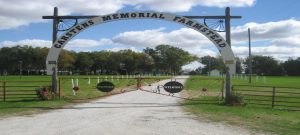
Carstens 1880 Farmstead is located at 32409 380th St, Shelby, just south of I-80 exit 34. For more information on clean-up day call,402-699-6941.
*******
Carstens 1880 Farmstead, Inc., a non-profit group of local volunteers, oversees a working farm museum exhibit located between Minden and Shelby, Iowa in Pottawattamie County. The farmstead is the home of Carstens Farm Days, which is held the first weekend after Labor Day each September. The farm is listed on the National Register of Historic Places. For more information visit the web site: www.carstensfarm.com
DES MOINES— Gov. Kim Reynolds today (Saturday), signed an extension of the proclamation relating to the weight limits and transportation of grain, fertilizer, and manure.
The proclamation is effective immediately and continues through April 7, 2025. The proclamation allows vehicles transporting corn, soybeans, hay, straw, silage, stover, fertilizer (dry, liquid, and gas), manure (dry and liquid), and distillers grains to be overweight (not exceeding 90,000 pounds gross weight) without a permit for the duration of this proclamation.
This proclamation applies to loads transported on all highways within Iowa (excluding the interstate system) and those which do not exceed a maximum of 90,000 pounds gross weight, do not exceed the maximum axle weight limit determined under the non-primary highway maximum gross weight table in Iowa Code § 321.463 (6) (b), by more than 12.5 percent, do not exceed the legal maximum axle weight limit of 20,000 pounds, and comply with posted limits on roads and bridges.
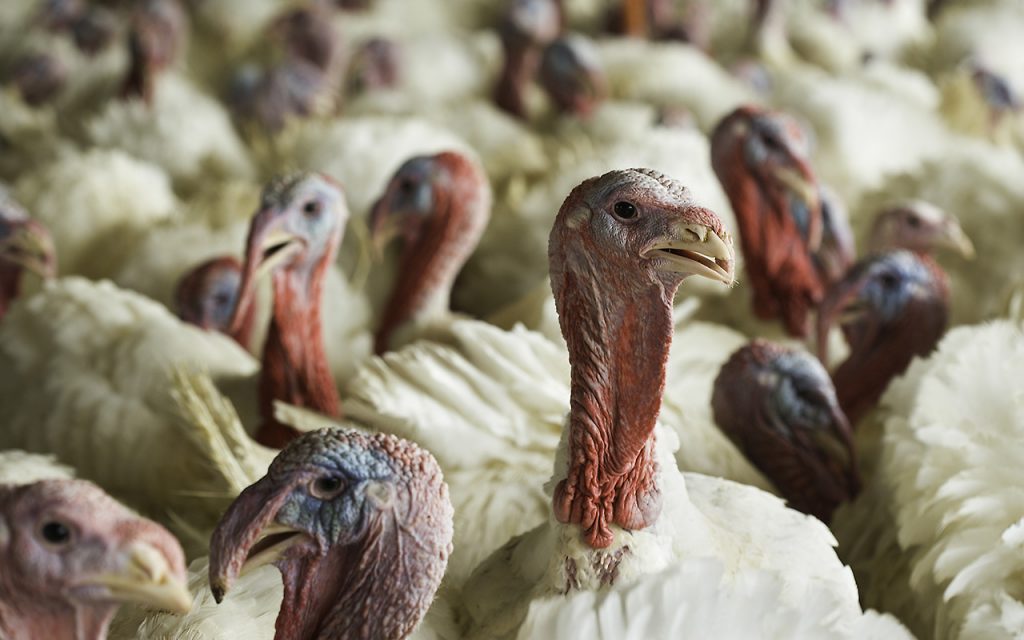
(Washington, D-C/Iowa Capital Dispatch) – Iowa’s federal delegation is calling for the U.S. Department of Agriculture to provide financial relief for turkey farmers impacted by the spread of avian metapneumovirus (Meta-new’moh-virus).
In a letter to USDA Secretary Brooke Rollins and Farm Service Agency Acting Administrator Kimberly Graham Tuesday, Iowa’s U.S. senators and representatives asked for avian metapneumovirus (aMPV), also known as turkey rhinotracheitis (Rye-no’trah-kite’us), to be classified as an eligible adverse event under the Livestock Indemnity Program. The classification would give farmers who have had many of their livestock die from the disease access to financial compensation.
In Iowa, the lawmakers wrote, turkey farmers have reported flock losses between 30% to 50% because of aMPV, killing an estimated 569,700 turkeys in the last year and leading to a loss of $18 million in farm income. U.S. Rep. Zach Nunn was the lead author of the letter, saying that support for turkey farmers was needed as the process of vaccine approval and distribution for aMPV is still underway. The Iowa Turkey Federation thanked Nunn for bringing attention to the impact of aMPV on farm families.
U.S. Sens. Chuck Grassley and Joni Ernst also sent a letter to Rollins in February asking for USDA action to stop the spread of the highly pathogenic avian influenza, which has been detected in four Iowa commercial bird flocks in 2025.
(Photo by Stephen Ausmus/Agricultural Research Service, U.S. Department of Agriculture)
Nunn and U.S. Rep Randy Feenstra also backed legislation introduced by Rep. Don Davis, D-North Carolina, that would expand the scope of flood-assistance programs to direct funding toward flood protection and flood-prevention infrastructure. The Flooding Prevention, Assessment and Restoration Act would update guidelines for programs like the USDA’s Emergency Watershed Protection, which currently only provides assistance for land restoration to pre-disaster conditions. Feenstra said in a news release that the legislation would provide “greater flexibility” by allowing these assistance programs to fund repairs and improvements for infrastructure.
Feenstra said that after major flooding in northwest Iowa last summer, many homes, farms, schools and other buildings were left severely damaged. Nunn said in a news release that after the 2020 derecho, Iowa farmers’ crop losses totalled more than $490 million. Larry Weber, co-founder and director of the Iowa Flood Center, said in a news release that the legislation would help flood-mitigation efforts in the state.
U.S. Rep. Ashley Hinson reintroduced a proposal to establish a new task force in the U.S. Department of Justice that would focus on investigating and prosecuting trade-related crimes, saying that the measure would help protect American workers and industries from Chinese entities that violate U.S. trade laws. The Protecting American Industry and Labor from International Trade Crimes Act would appropriate $20 million in fiscal year 2026 if approved for this effort, and require the Attorney General to submit an annual report to Congress on the efforts taken by the DOJ to tackle trade crimes, and how these funds were used.
Hinson said in a news release Friday the legislation will help President Donald Trump’s administration tackle trade law violations by Chinese entities. The measure was co-sponsored by Rep. John Moolenaar, R-Michigan who chairs the House Select Committee on the Chinese Communist Party, and Rep. Raja Krishnamoorthi, D-Illinois, who serves as the ranking member of the committee.
WEST DES MOINES, IA – Iowa Renewable Fuels Association (IRFA) producer member Elite Octane, an ethanol plant near Atlantic, today (Friday, March 7th) celebrated producing its 1 billionth gallon. Since the plant began operating on July 1, 2018, it has processed over 300 million bushels of corn from area farmers. IRFA Executive Director Monte Shaw congratulated Elite Octane, “for reaching the one-billion-gallon milestone.” Shaw said “Not only does this milestone celebrate the plant, but it celebrates the impact Elite Octane has on the local community, area farmers, and consumers across the nation. This is a testament to ethanol’s role in American energy dominance while providing consumers with a cleaner-burning, cost-savings solution at the pump.”
With its 53 employees, Elite Octane has paid more than $1.6 billion to local corn farmers since commencing operations in 2018, nearly all funds received within 60 miles of Atlantic, Iowa. The over 300 million bushels of corn were processed into more than just ethanol.

Elite Octane, Atlantic Iowa (photo from the company’s website)
Elite Octane also produced more than 2 million tons of high protein animal feed and over 300 million pounds of corn oil as well. Additionally, 50 percent of all the water used in the ethanol production process is recycled water from the City of Atlantic that would otherwise be discharged down the river.
(Des Moines, Iowa/Iowa Capital Dispatch) – The Iowa House Judiciary Committee advanced bills Thursday to block hazardous liquid pipelines carrying carbon dioxide from the use of eminent domain. Two bills also advanced granting rights to intervene in Iowa Utilities Commission proceedings, which GOP lawmakers have done against the case of the Summit Carbon Solutions pipeline project.
House Study Bill 287 specifies that the “construction of hazardous liquid pipelines for the transportation or transmission of liquefied carbon dioxide” does not constitute a public use for the purpose of condemning agricultural land. The bill would apply to any condemnation proceedings made on or after its enactment. Committee members voted to advance HSB 287. A companion bill in the Senate, Senate File 92, has not had any scheduled hearings and will likely be “dead” at the end of the funnel week.
South Dakota Gov. Larry Rhoden signed a similar bill into law Thursday morning, that effectively bans the use of eminent domain for carbon dioxide pipelines. South Dakota is also on the proposed route for the Summit Carbon Solutions pipeline project, which would transport sequestered carbon dioxide from biofuel refineries to underground storage in North Dakota. Rhoden said the new law is not meant to “kill” the project in South Dakota, but should be taken as “an opportunity for a needed reset.”
Summit Carbon Solutions said in a statement the news is “very unfortunate” but “the project moves forward in states that support investment and innovation.” House File 491 would also restrict hazardous liquid pipelines from the right of eminent domain, by adjusting the definition of a common carrier.
Under the bill, a hazardous liquid pipeline would have to establish “clear and convincing evidence” that it transports a commodity used by an individual consumer, or a commodity for one or more shippers not affiliated with the carrier who will also not sell the hazardous liquid to the carrier.
Rep. Charley Thomson, said the bill “corrects a problem that emerged because of the Summit pipeline docket hearings in front of the Iowa Utilities Commission.” Summit’s status as a common carrier has been a subject in several lawsuits, including one in which the Iowa Supreme Court reiterated that the company meets the requirements of a pipeline under Iowa Code.
The bill advanced 20-1, and Thomson said there will be an amendment on the floor to clarify that the bill does not apply to railroads.
(Radio Iowa) -South Dakota’s governor signed a bill banning the use of eminent domain for carbon pipelines today (Thursday). Sierra Club of Iowa Attorney Wally Taylor says that should stop Summit Carbon from building its carbon pipeline in Iowa. I think as a practical matter, it does. I mean legally, summit could still get a permit in South Dakota, and if they did, that would allow them to go ahead and construct in Iowa,” Taylor says.
The Iowa Utilities Commission approved a permit for the Iowa portion of the Summit pipeline on the condition they get permits in the Dakotas before they start construction. Taylor says eminent domain is needed to build in South Dakota. “Because, as I understand it, they have a lot of people there who have not assigned easements, and they would have to get eminent domain, and now they can’t do that. So I think, as a practical matter, it may very well stop the project,” he says.
Taylor says their focus continues to be on getting Iowa lawmakers to block the use of eminent domain for carbon pipelines here. “There have been several eminent domain bills that have come out of the Iowa House, but they get stopped by Senate leadership. This may change the dynamics a little bit in the Senate, and hopefully we could get a bill through the Senate this year,” Taylor says. Taylor can’t says how likely it is Iowa lawmakers will pass such a bill. “It’s hard to know, but it certainly looks like we’ve got a better shot this year,” Taylor says.
Landowners opposed to carbon pipelines and the Sierra Club Iowa Chapter are holding a Carbon Pipeline Opposition Rally at the Capitol on Tuesday to call on the Iowa Senate to pass a pipeline bill. A spokesperson for Summit Carbon Solutions issued this statement:
“It’s very unfortunate that, despite our approvals in Iowa, North Dakota, and Minnesota, South Dakota changed the rules in the middle of the game. This kind of regulatory uncertainty creates real challenges-not just for our project, but for the ethanol plants in South Dakota that now face a competitive disadvantage compared to their counterparts in neighboring states. While this presents obstacles, our project moves forward in states that support investment and innovation, and we will have more news on that soon.”
(Des Moines, Iowa/Iowa Capital Dispatch) – A bill advanced from the House Agriculture Committee Wednesday that would establish a pilot program to reduce the average, statewide use of commercial nitrogen fertilizer. House Study Bill 165 was amended in the committee to task the Iowa Department of Agriculture and Land Stewardship with the administration and development of the pilot program. The program would work with farmers to evaluate crop production strategies that “enhance nitrogen management” in the state. Rep. Jon Dunwell, R-Newton, said the amendment calls for a $2 million appropriation from the fiscal year 2026 general fund. This would create a dispersal fund for the program and incentives to participating farmers who would be paid at least $5 per farmed acre that is involved in the program.
Dunwell said the goal of the pilot program is to reduce the statewide average use of commercial nitrogen fertilizers by 15%, or 30 pounds per acre. An earlier version of the bill tasked IDALS to implement a commercial fertilizer study, rather than a pilot program, to “determine innovations that may be practically incorporated as part of crop production practices.” According to a recent study from Iowa State University, the amount of nitrogen fertilizer needed to “maximize the profitability” in corn production has increased by about 1.2%, annually, for the past three decades. The study, which looked at corn production in the Midwest, attributes the increased need to the “nutrient demands of higher yields.” 
Researchers said the trend is also likely to continue, and that rising optimum nitrogen rates would be “even higher” if it weren’t for increased use of nutrient efficiency practices like crop rotation, improved drainage, spring fertilizer application and more informed application tools. IDALS recently updated its nutrient reduction strategy, which included several practices aimed specifically at reducing overall nitrogen application. The department also promoted a new, free calculator developed by the Iowa Nitrogen Initiative that helps farmers determine the best rate of nitrogen application for their farm. These efforts from IDALS were part of the department’s participation in a larger, 12-state task force to address the growing size of the hypoxia in the Gulf of Mexico by reducing nutrient levels in the Mississippi River Basin.
The efforts also seek to reduce nutrient levels from non-point source polluters in Iowa waters. The bill moves next to the full House for debate.
(Lewis, Iowa) – The Cass County Conservation Board is holding an “Outdoor Mobile Apps Program.” Cass County Naturalist Lora Kanning will give a presentation pertaining to Outdoor Mobile Apps, in the Community Room at the Atlantic Public Library (507 Poplar St.), on Saturday, March 15th, beginning at 11-a.m.
All ages welcome to attend the presentation. Children must be accompanied by an adult. Bring your phones, or tablets to discover how to use outdoor apps you might be interested in, everything from plants, birding, to hunting!
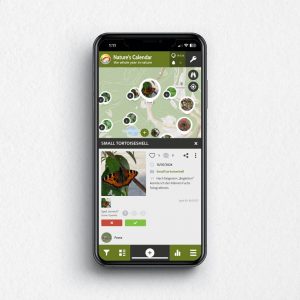
(An example of an outdoor mobile app)
The Cass County Conservation Board says they hope you to see you there!
(Des Moines, Iowa/Iowa Capital Dispatch) – The Senate Natural Resources Committee, Wednesday, advanced a bill that would bar the Iowa Department of Natural Resources from purchasing land at auction. Senate Study Bill 1198 would prohibit DNR from acquiring land in Iowa unless it is from a willing donor or seller. The bill would also stop DNR from purchasing land above the appraised value from a nonprofit corporation that had purchased the land from auction. In his opening remarks on the bill, Republican Senator Tom Shipley from Nodaway, said “We’ve been down this path before.” The bill, he said, resembles bills from past legislative sessions.
Shipley said there are a number of people in his district, in southwestern Iowa, who are “very unhappy” with the state and federal government’s “overstep” of land ownership and control. “I have yet to get more than one email from my district that’s … opposed to us doing this,” Shipley said. Sen. Mike Zimmer, D-DeWitt, said his inbox has been “jammed” with comments from constituents opposed to the bill. Zimmer said some of these emails said the bill intruded on individual property rights. “If an owner wants to sell their property to whomever they want to do, they should have that right to do that,” Zimmer said. “On the rare occasion that the DNR might be able to put together a financial package to actually show up to an auction and bid on a piece of ground, they should be able to do that.”

A trail at Jester Park near Saylorville Lake on Nov. 6, 2024. (Photo by Cami Koons/Iowa Capital Dispatch)
Shipley clarified the bill does not restrict a seller from willingly selling to the DNR, and also said the DNR has not bought land at auction for 20 years. Sen. Sarah Trone Garriott, D-West Des Moines, opposed the bill and it would take “a lot of years” and “a lot of money” for the DNR to become a “real threat” in terms of land ownership.
According to the Iowa Department of Natural Resources, the State of Iowa owns around 400,000 acres of land, which equates to roughly 1% of Iowa’s nearly 36 million acres of land.
Trone Garriott, Zimmer and committee ranking Democrat Sen. Art Staed voted no on the bill, which passed with an amendment striking a section that provided an exemption to auction purchases if it advanced a conservation or recreation plan and was approved by the Natural Resources Commission.


 Facebook
 Twitter
 YouTube
 RSS
RSS