


Cass Health Providing Free Radon Tests
January 6th, 2026 by Ric Hanson
(Atlantic, IA) — Officials with Cass Health, in Atlantic, say that in an effort to encourage Cass County households to test for radon, Cass Health purchased 500 radon test kits from the American Lung Association that are being distributed for free. Radon is a gas that can enter homes through the ground, and Iowa has some of the highest radon levels in the country. Radon is invisible and odorless, so testing is the only way to detect it. Winter is a good time of year to test for radon, and the US Environmental Protection Agency has designated January as National Radon Action Month.
Cass Health CEO Brett Altman said in a news release, “We know that radon is the second leading cause of lung cancer, and we know that lung cancer is the deadliest form of cancer. Every homeowner in Iowa should test for radon — regardless of the age or location of their home — to protect the health of everyone living there.”
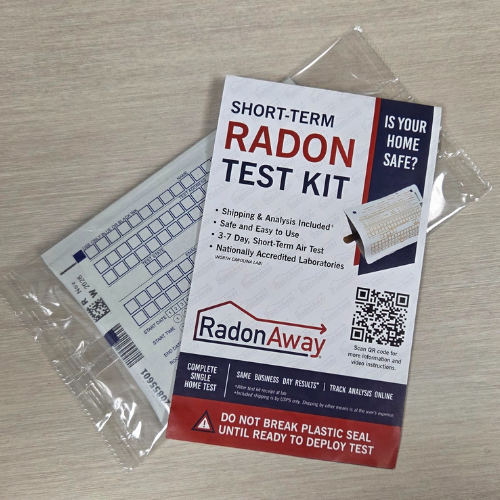
Radon Test kit (Cass Health photo)
Through a partnership with the Cass County Library Association, radon tests are available at every library in the county. Any homeowner in Cass County can stop by a library to request a free test kit. Homeowners will be asked for a few details such as their name, address, zip code, and phone number. This information may be used to conduct follow-up calls with homeowners about the test and their results and report on how the tests were distributed in each community.
Each kit includes directions on how to use the test and mail it in for evaluation. Results will be sent directly to the homeowner. Cass Health is also providing information with each test regarding what the results mean, mitigation companies, and additional resources to learn about radon. Brett Altman said “Over the past year, Cass Health has started looking more deeply into how we can impact our local cancer incidence rates. Preventing cancer is the ultimate goal, and providing free radon tests is just one way we can start to tackle this huge issue. Over the coming months and years, we will continue to evaluate how we can contribute to cancer prevention through resources like radon tests and community education.”

 Facebook
 Twitter
 YouTube
 RSS
RSS