


Health experts take on Iowans’ seasonal allergies
April 16th, 2025 by Ric Hanson
(Iowa News Service) – The pollen count in Iowa is approaching high levels over the next few weeks. Unusually warm spring weather means allergy triggers like pollen and grasses are in full bloom. Allergens trigger chemicals in your brain called histamines. People who suffer from seasonal allergies typically take antihistamines to control the runny nose, itching and watery eyes that the histamines create.
With all its trees, grasses and farm fields, Iowa is a hotbed of allergens. Dr. Gregory Carnevale, chief medical officer for UnitedHealthcare, said at least 100 million Americans suffer from seasonal allergies, many of whom are children and have not built up immunity to these allergens. “Three to 6 years old, more seasonal allergies, again, that repeated exposure that’s needed over time,” Carnevale explained. “Then finally, if you’re predisposed to developing pulmonary symptoms associated with allergies, it would be asthma.”
He pointed out UnitedHealthcare has an online tip sheet for how to handle seasonal allergies, which affect nearly a quarter of adults and one in five children in the United States. Allergy symptoms can usually be controlled with over-the-counter medications like antihistamines but Carnevale noted, especially in children, allergy-induced asthma can turn into a far more life-altering condition.
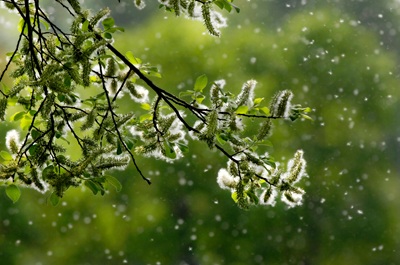
Tree pollen is among the biggest triggers for Iowans who suffer from seasonal allergies.
“A lot of these children and teenagers, they’re more active in sports, and if you see them struggling, you might have cause for concern,” Carnevale advised. “They’ll be oftentimes coughing, short of breath. They might even have an audible wheeze. So, any of those symptoms certainly warrant evaluation by a health care professional.”
He also recommended limiting time outdoors to avoid seasonal allergy triggers and paying attention to the times of day when pollen counts are the highest.


 Facebook
 Twitter
 YouTube
 RSS
RSS