(Radio Iowa) – We’ve all heard the warnings about taking it easy when the heat is on during an Iowa summer, but a medical expert is explaining some of the science behind why steamy weather is so hard on us, especially our hearts. Dr. Tim Pearson, a professor at Mercy College of Health Sciences in Des Moines and a board member of the Iowa chapter of the American Heart Association, says sweating is a crucial way to regulate body temperature, but it can lead to a problem.
“When sweat evaporates from your body, it pulls heat away and cools the body down,” Pearson says, “but we lose fluid through sweat, and as we do that, our total blood volume drops. So your heart has to work harder. It has to work faster to circulate that remaining blood and maintain blood pressure.” More than 23-hundred Americans died from heat exposure in 2023, and studies project heat-related cardiovascular deaths could more than double in the coming years. Iowans often have to endure a double-whammy of heat and humidity, which is why we hear about the “heat index” and extreme heat warnings when it climbs over 100-degrees.
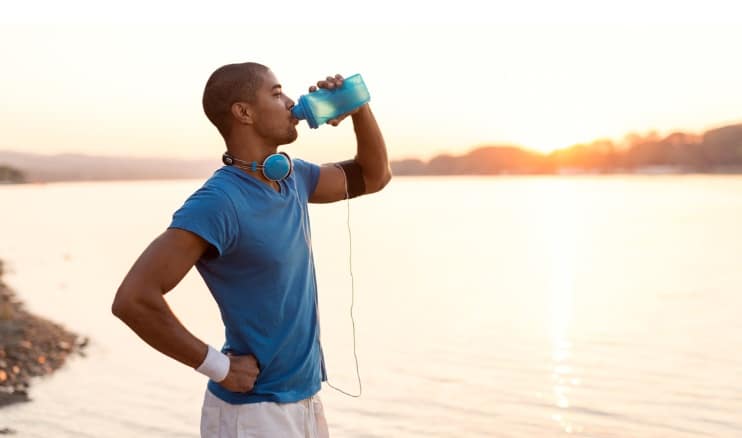
“When we’ve got high humidity, we’ve got problems,” Pearson says. “When the air is humid, there’s already moisture in the air, and this prevents sweat from evaporating at the rate that it should. The heart is going to pump double or even triple the amount of blood to the skin to release more sweat.” Pearson says it’s vital to stay hydrated, not just while we’re out in the heat, but before and after. Plus, he says it’s important that we drink water and not alcohol, which is a diuretic that can make your body lose moisture.
“It’s also important to avoid peak hours,” Pearson says. “I know sometimes on a weekend, like, ‘I need to mow the lawn. It’s one o’clock in the afternoon. Let’s mow.’ If you can avoid that, if you can avoid those high heat times, like between noon and three, when the temperatures are really high, that is ideal.” Another key to staying cool is to dress smart.
“Covering up, wearing long-sleeve clothing, it’s loose, it’s light, but covering up your skin, very helpful,” he says. “Making it light-colored, even if you feel you don’t look good in tan or look good in white, wearing light-colored clothing, wearing a hat, this is important as well.” He reminds, one other thing that’s important to wear is sunscreen. Also, know the signs of heat exhaustion: Headache, clammy skin, fast but weak pulse, dizziness or fainting, weakness or muscle cramps, nausea or vomiting. Learn more at heart.org.