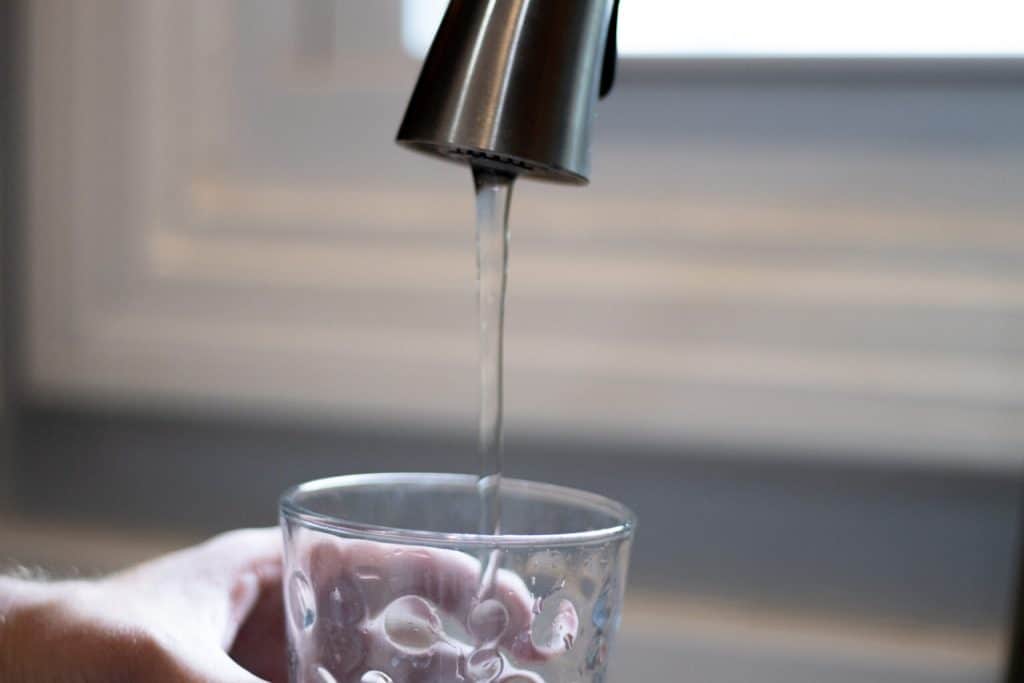
DES MOINES, Iowa (Iowa Capital Dispatch) – A report from the Iowa Department of Natural Resources shows Iowa had 36 nitrate-related drinking water violations in 2025, which is more than double the number reported in 2024. Each year, DNR submits a compliance report to the U.S. Environmental Protection Agency detailing violations of federal drinking water standards, from excessive contamination levels to operator certification requirements.
According to the 2025 report, nitrate contaminant levels above the EPA limit was the most common health-based standard violated by public water supply systems. The 36 violations occurred at 13 systems and impacted a total of 2,479 customers, according to the report. Violations of nitrate accounted for 41% of the total 87 violations of heath-based standards. A health-based standard assesses whether the public water supply system produced finished water within the EPA established limits for drinking water contaminants.
According to the report, more than half of the nitrate violations in 2025 occurred at four public water supply systems. The report said several of the systems with nitrate violations are installing treatment systems or connecting to other systems to address the nitrate violation issue.
The Little Brown Church in Chickasaw County had nine nitrate violations in 2025, Lazy T Campground in Delaware County had four nitrate violations and Lost Beach Resort, also in Delaware County, had four nitrate violations. Early Municipal Water Supply in Sac County, classified as a community water system, had four nitrate violations for the year. Aside from Early Municipal Water Supply, the systems with the greatest number of violations were classified as transient non-community water systems, a type of public water supply system that serves more than 25 individuals daily, at least 60 days out of the year.
The report also shows “major” reporting and monitoring violations made by public water supply systems. A violation occurs when a system fails to collect, report, analyze or follow the proper sampling guidelines for a given contaminant in any one compliance period, which varies depending on the contaminant.
Approximately 20% of Iowa’s public water supply systems had major reporting and monitoring violations, according to the report. Failure to collect coliform bacteria samples accounted for the majority of reporting and monitoring violations. Iowa had 249 violations for coliform bacteria monitoring at 158 systems.
Nitrate monitoring, with a total of 84 reporting violations across 66 systems, was one of the contaminants with the highest reporting violations in 2025. Reporting and monitoring violations can most often be remedied by performing the necessary monitoring or issuing the necessary public notification. An administrative order can be issued for systems that fail to come into compliance in a timely manner.
Over 3.12 million Iowans — about 95% of the population — are served by public water supply systems, the remaining population is served by private water supplies, like a well on the property.